Locked in a Vault: How Licensing Deals Are Quietly Erasing Gaming History
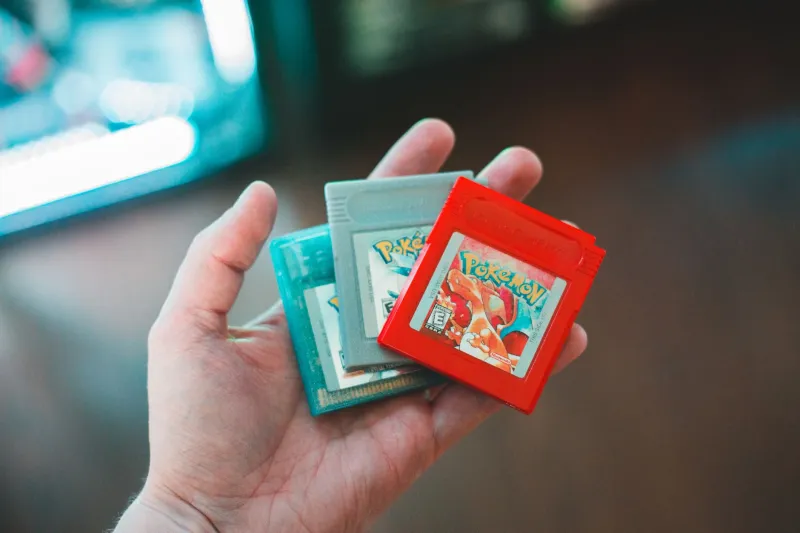
There's a particular kind of grief that hits when you go looking for a game you loved as a kid, pull up the storefront, and find nothing. Not a price drop. Not a delisted notice. Just a blank space where something that mattered to you used to live. It happens more than most people realize, and the reasons behind it are way less dramatic than you'd hope. No villain monologue. No big announcement. Just a contract that expired somewhere in a filing cabinet nobody bothered to open.
This is the quiet death of gaming's legacy — and it's accelerating.
The Paper Graveyard Nobody Talks About
When a publisher licenses music, likenesses, real-world vehicles, or even another company's IP to build a game, that deal has a clock on it. Sometimes it's five years. Sometimes ten. Sometimes it's tied to royalty structures so convoluted that keeping the game available costs more than it earns. When the math stops working, the easiest move is delisting — pulling the title from sale and letting it vanish quietly into the ether.
The Tony Hawk series is probably the most-cited example, but it barely scratches the surface. Games built around licensed music — think the original Burnout titles, early Guitar Hero entries, or the first wave of WWE games — have been gutted or pulled entirely because renegotiating music rights at scale is an expensive headache nobody wants to deal with. Racing games featuring real manufacturers. Sports titles with real athlete contracts. Movie tie-ins where the studio deal ran out before anyone thought to renew it.
The list is longer than most people expect, and it keeps growing.
Mergers Make It Worse
Corporate consolidation in the games industry has been relentless over the past decade. When studios get absorbed into larger publishers, or when publishers themselves get folded into massive media conglomerates, the IP they carry doesn't always make the transition cleanly. Rights get tangled. Responsibilities get unclear. And the games caught in the middle just... sit there.
Consider what happened to a huge portion of the Atari back catalog after decades of ownership shuffles, or the ongoing confusion around Midway's library after its bankruptcy proceedings scattered titles across multiple holding companies. Some of those games have found their way back to fans through careful licensing by new custodians. Many haven't. The legal work required to untangle who actually owns what — and what rights attach to what — is genuinely expensive, and for a game that might sell a few thousand copies a year, nobody's rushing to foot that bill.
Archivists and preservationists who spoke to us for this piece described a process that often feels like archaeology. "You're sometimes looking at three or four ownership transfers across thirty years," one independent archivist explained. "Every acquisition potentially introduced new terms, new stakeholders, new complications. And none of those companies had any obligation to document it in a way that made future access easier."
The Legal Wall Fans Keep Running Into
Here's where it gets personal. For fans who want to play these games legally — the people who actually want to give someone money for access — the options are often zero. The game isn't on Steam. It's not on GOG. It's not available through any subscription service. It's just gone from the commercial landscape entirely.
And the moment anyone tries to fill that gap through preservation, emulation, or archiving, they're immediately on the wrong side of intellectual property law — even when the rights holder isn't actively commercializing the work and hasn't been for years. The legal framework doesn't distinguish between a corporation protecting active revenue and a corporation sitting on dormant IP while fans try to keep history alive.
"The law as it stands treats a game that's been commercially unavailable for twenty years exactly the same as a game that dropped last Tuesday," said one IP attorney familiar with entertainment licensing. "There's no meaningful public domain pathway for software the way there is for literature or music from the same era. The copyright terms just don't work in gaming's favor."
That gap — between what fans can legally access and what actually exists — is where a lot of the underground preservation economy lives. It's not hard to understand why.
When Publishers Become Caretakers Who Don't Care
The most frustrating cases aren't the ones where the rights situation is genuinely complicated. It's the ones where a single company clearly owns the IP, clearly has the resources to make it available, and simply chooses not to. Sometimes it's a deliberate strategy — keeping a franchise on ice to manufacture scarcity or build anticipation for a future release. Sometimes it's pure corporate indifference toward a property that doesn't move the needle on quarterly earnings.
Bandai Namco's treatment of older Ace Combat titles. Konami's relationship with its own legacy catalog. Ubisoft's habit of delisting older entries from series it still actively publishes. These aren't mysteries. They're choices. And the consistent message they send to the people who grew up with these games is that their attachment to that history is commercially inconvenient.
There's a real cultural cost to that attitude. Games are the dominant entertainment medium for an enormous chunk of the American population right now. The idea that significant portions of that medium's history are simply inaccessible — not preserved, not archived, not available through any legitimate channel — would be treated as a crisis if it were happening to film or music. For games, it mostly gets a shrug.
What Actually Changes Things
Pressure, mostly. The preservation community has gotten louder and more organized, and there are genuine conversations happening at the policy level about whether copyright law as applied to software needs reform. The Library of Congress has expanded exemptions for game preservation in limited ways. Some publishers, facing enough fan backlash, have quietly re-licensed music or renegotiated terms to bring delisted titles back.
But those are exceptions, not the rule. The structural incentives still point toward corporate gatekeeping over cultural stewardship, and until that changes — through either legal reform or a significant shift in how publishers think about their own legacies — fans are going to keep running into blank spaces where their history used to be.
The vault stays locked. The games stay buried. And somewhere in a filing cabinet nobody's opening, the clock on another beloved franchise is ticking down toward zero.