One Runner, One Record, One Lawsuit: How the Corporate IP Machine Crushed a Speedrunning Legend
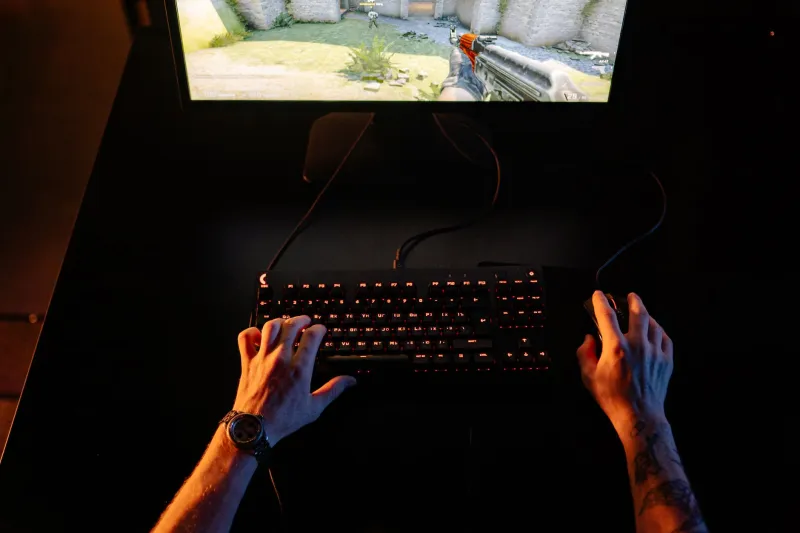
It starts the way it always does. A runner drops into a game, executes a route nobody's ever seen, and finishes in a time that makes the entire community go absolutely feral. Clips get shared. Reddit threads spiral into hundreds of pages. YouTube channels post breakdowns within hours. For a brief, beautiful window, this is the only thing anyone in gaming is talking about.
And then, almost on cue, the legal machinery kicks into gear.
Cease-and-desist letters. DMCA takedowns. Content removal requests. The record doesn't disappear overnight — it gets buried under paperwork until the cultural momentum dies and the community moves on. By the time anyone thinks to look back, the moment is gone. Scrubbed. Corporate collateral damage dressed up in legalese.
This isn't a hypothetical. It's a pattern that's played out enough times now that speedrunning communities have started treating it like a weather event — something to brace for rather than be surprised by.
The Record That Actually Happened
Without naming names in ways that invite more legal headaches, here's the shape of what went down in one of the most discussed suppression incidents in recent speedrunning history: a runner achieved what the community broadly recognized as a legitimate, technically astonishing world record in a major franchise title. The run involved manipulation of in-game memory states — what most people would call glitches — to skip large portions of the intended game path.
The VOD hit Twitch. It clipped everywhere. Gaming outlets that normally wouldn't touch speedrunning content were posting about it. The run was generating the kind of organic cultural buzz that publishers spend millions of marketing dollars trying to manufacture.
Then the publisher's legal team sent a takedown.
The official reasoning cited music licensing — a common and technically defensible position that's become the go-to shield for IP enforcement actions that have nothing to do with music. The run used the game's original soundtrack, which the publisher claimed it had not cleared for streaming broadcast. Technically accurate. Functionally, a way to kill a piece of content without having to explain why you actually want it gone.
Why Publishers Come After Their Own Hype
This is the part that breaks people's brains when they first hear it: why would a publisher want to suppress something that's generating massive free publicity for their game?
The answer isn't simple, and it's not always the same. But a few recurring motivations show up consistently.
First, narrative control. Publishers spend enormous resources crafting how their games are perceived. A speedrun that exposes systemic glitches, skips entire story sections, or makes the game look broken can undercut that narrative — especially if the title is still in its commercial window. A world-record run that essentially says "you can beat this 40-hour game in 47 minutes if you know where to look" is not the message the marketing team signed off on.
Second, precedent anxiety. If a community-driven moment goes viral without the publisher's involvement, it establishes that the community doesn't need the publisher to generate cultural relevance. That's a power dynamic some legal teams are apparently paid to prevent.
Third, and most cynically, monetization positioning. Some publishers have begun exploring their own streaming and content channels. Community-created content that performs well represents competition for eyeballs they'd rather funnel toward official channels. A DMCA takedown is, among other things, a market-clearing mechanism.
The Music Licensing Loophole That Ate Everything
The music licensing angle deserves its own spotlight because it's become so thoroughly weaponized that it's almost comedically predictable at this point.
Here's how it works: most major game publishers license music from third-party composers, labels, or rights holders. Those licenses often don't include broadcast rights for streaming platforms. When a streamer or content creator broadcasts gameplay with that music playing, the publisher — or the rights holder — can issue a DMCA takedown that's technically valid.
The problem is that this mechanism is being used selectively and strategically. Publishers aren't going after every stream that plays their licensed music. They're going after specific pieces of content — often content that's inconvenient for them — using music licensing as the legal hook. The runner whose world record gets buried under a music takedown isn't being targeted because of the music. The music is just the weapon that was already loaded and waiting.
Speedrunning communities have started adapting. Some runners mute their audio entirely during record attempts. Others run games with music turned off in the settings. It's a genuinely absurd accommodation to make — stripping the audio from your own gameplay to avoid giving a corporation a convenient legal lever — but it's become standard practice in some circles.
What Gets Lost When the Clip Dies
There's a cultural cost here that's hard to quantify but real. Speedrunning records aren't just personal achievements. They're collaborative intellectual products — the result of hundreds of hours of community research, route optimization, and collective knowledge-building. When a record gets suppressed, it's not just the runner's moment that disappears. It's a data point in an ongoing community conversation.
Future runners lose access to the reference material. Analysts can't break down the technique. New players who might have been inspired by the run never see it. The community's institutional knowledge takes a hit that's invisible from the outside but deeply felt from within.
This is why some archivists have started treating speedrun VODs the way ROM preservation crews treat old cartridges — as cultural artifacts that need to be saved before the corporate cleanup crew arrives. Mirror sites. Distributed hosting. Encrypted backups. The underground infrastructure of gaming culture, quietly doing the work that publishers have decided isn't worth protecting.
The Bigger Picture Nobody Wants to Say Out Loud
Here's the uncomfortable truth that the speedrunning community has been dancing around for years: publishers do not actually own gaming culture, but they have enough legal firepower to act like they do.
The games are theirs. The code is theirs. The music, the characters, the IP — all theirs. But the culture that builds up around those games? The communities, the records, the techniques, the shared language that develops when thousands of people pour their lives into understanding a piece of software better than its creators did? That's not theirs. That belongs to the people who built it.
The legal system doesn't see it that way. And until it does, corporate IP enforcement will keep treating community-driven gaming moments as liabilities to be managed rather than cultural contributions to be celebrated.
The runner whose world record started this particular story is still active. They've moved on to other games, other routes, other records. The run itself exists in fragments — partial mirrors, low-quality re-uploads, secondhand descriptions on forum threads. The moment happened. The internet knows it happened. The lawyers just made sure it couldn't be properly remembered.
That's the game within the game. And right now, the publishers are winning it.